
Take a four-hour slow train through the Eastern Ghats and see how a quiet hill town is making a mark in the world of global specialty coffee.
Even in December, the mornings on Andhra Pradesh’s coast offer little relief from the humidity. By 6:30 a.m., the air hangs heavy as a crowd begins to gather on platform five at Visakhapatnam (Vizag) station. But this isn’t the usual rush of daily commuters—it’s a group eagerly waiting for a unique experience. As the Visakhapatnam Kirandul Passenger Special pulls in, there’s a collective sigh of relief—the two vistadome train coaches at the end are air-conditioned.
India’s relationship with queues is famously casual, so boarding turns into a bit of a scramble. But calm returns once the slow train through Eastern Ghats begins its journey. While its final stop is Kirandul in Chhattisgarh—about 400 kilometers and 14 hours away—those in the vistadome coaches are only here for the breathtaking scenic train ride to Araku Valley. Though the destination is just 120 kilometers from Vizag, the journey takes four hours, winding through 58 tunnels in the Eastern Ghats carved deep into the lush mountains. The vistadome’s oversized windows and rotatable seats offer uninterrupted views of misty hills, rivers, and dense green slopes.
As the train glides past Vizag’s edges, morning scenes unfold like a moving postcard: a vegetable cart being dragged into place, a man pacing with his dog, sleepy schoolchildren balanced on a scooter. Then, the city gives way to the countryside—fields stretch wide, smoke rises from thatched huts, farmers guide oxen, and tractors rumble toward early markets. The click-clack of the wheels creates a soothing rhythm.
Just thirty minutes in, the pace drops and the train begins its climb into the Eastern Ghats railway route. Passengers instinctively swivel their seats to face the landscape. As the train ascends, the plains shrink, scattered homes disappear, and the mountains take over. Under soft morning light, the hills fade into blue-grey. Then suddenly, it’s pitch black. The first tunnel has arrived—and with it, joyful screams echo through the coach, laughter bouncing off the walls as the adventure truly begins.
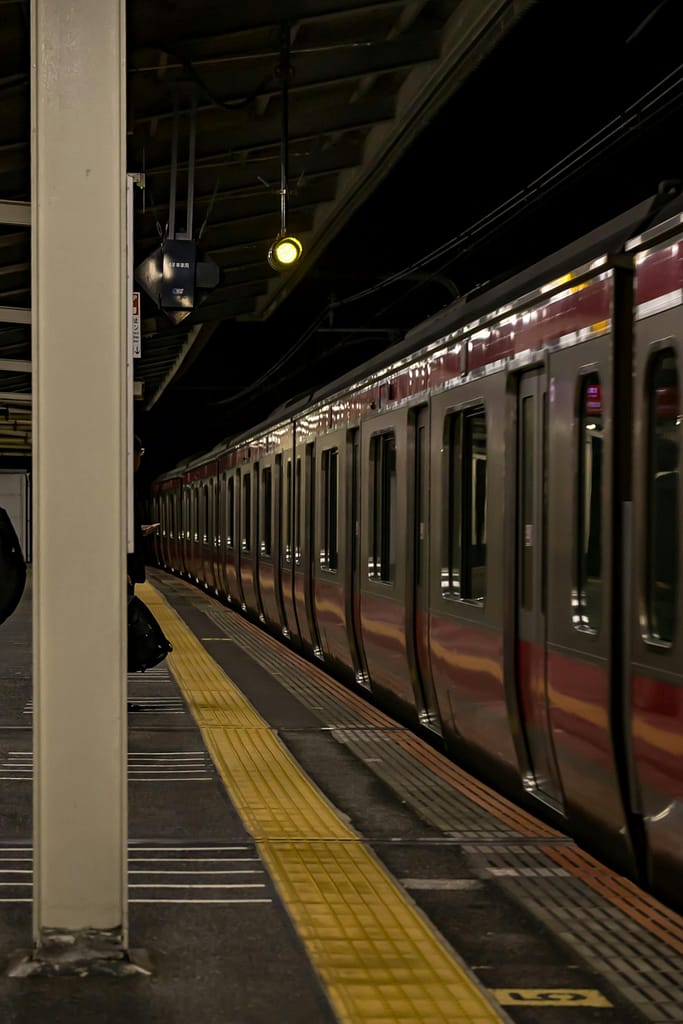
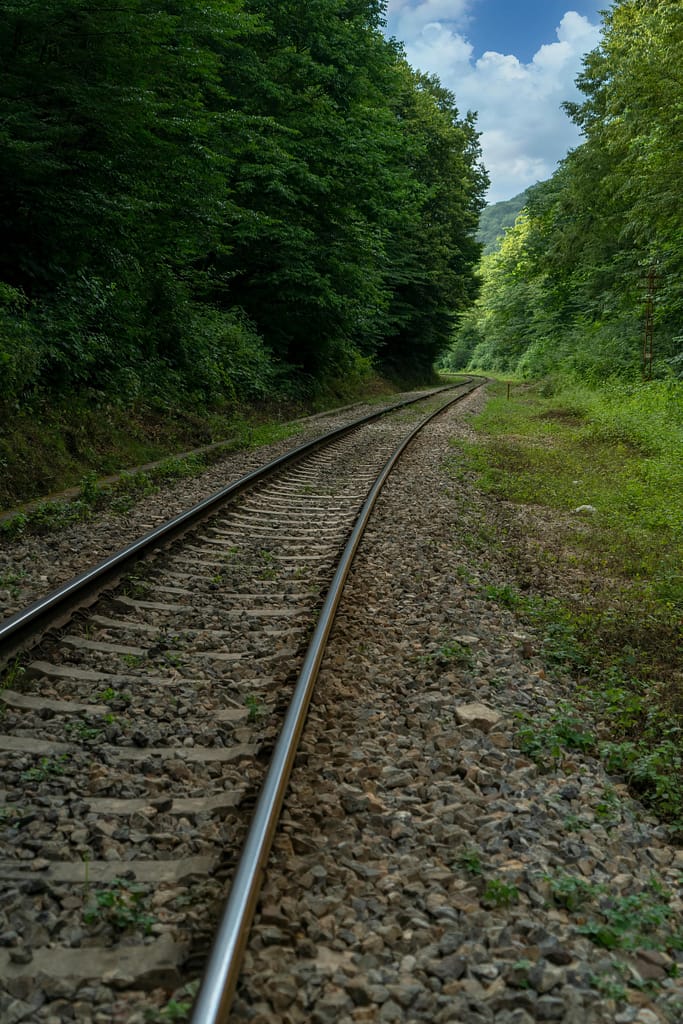
Even in December, the mornings on Andhra Pradesh’s coast offer little relief from the humidity. By 6:30 a.m., the air hangs heavy as a crowd begins to gather on platform five at Visakhapatnam (Vizag) station. But this isn’t the usual rush of daily commuters—it’s a group eagerly waiting for a unique experience. As the Visakhapatnam Kirandul Passenger Special pulls in, there’s a collective sigh of relief—the two vistadome train coaches at the end are air-conditioned, perfect for enjoying the slow train through Eastern Ghats in comfort.
India’s relationship with queues is famously casual, so boarding turns into a bit of a scramble. But calm returns once the slow train through Eastern Ghats begins its journey. While its final stop is Kirandul in Chhattisgarh—about 400 kilometers and 14 hours away—those in the vistadome coaches are only here for the breathtaking scenic train ride to Araku Valley. Though the destination is just 120 kilometers from Vizag, the journey takes four hours, winding through 58 tunnels in the Eastern Ghats carved deep into the lush mountains. The vistadome’s oversized windows and rotatable seats offer uninterrupted views of misty hills, rivers, and dense green slopes along the Eastern Ghats railway route.
As the train glides past Vizag’s edges, morning scenes unfold like a moving postcard: a vegetable cart being dragged into place, a man pacing with his dog, sleepy schoolchildren balanced on a scooter. Then, the city gives way to the countryside—fields stretch wide, smoke rises from thatched huts, farmers guide oxen, and tractors rumble toward early markets. The click-clack of the wheels creates a soothing rhythm on this heritage train journey through nature.
Just thirty minutes in, the pace drops and the train begins its climb into the Eastern Ghats railway route. Passengers instinctively swivel their seats to face the landscape. As the train ascends, the plains shrink, scattered homes disappear, and the mountains take over. Under soft morning light, the hills fade into blue-grey. Then suddenly, it’s pitch black. The first tunnel has arrived—and with it, joyful screams echo through the coach, laughter bouncing off the walls as the adventure on the slow train through Eastern Ghats truly begins.
This rhythm plays out again and again, yet it never feels dull or expected. Every one of the 58 tunnels along the route builds anticipation for what the slow train through Eastern Ghats will reveal next. It could be mist draped across mountainsides or clouds brushing the peaks; endless grasslands and forests unfolding like a lush green quilt; vast gorges cradled by rolling hills; or quick flashes of tiny hamlets clinging to the slopes on this picturesque Eastern Ghats railway route.
The train pauses often, picking up and dropping off locals at stations with names that sing—though they might trip up the unfamiliar tongue: Pendurthi, Kottavalasa, Chimidipalli, Borraguhallu, Karakavalasa. At Shimiliguda, a proud sign announces the altitude: 996m above sea level. All the while, food vendors pass through the vistadome coaches in steady waves, baskets releasing mouthwatering scents—idli-vada with coconut chutney, crispy samosas, spicy puffed rice, and salted boiled peanuts, adding local flavor to this memorable train journey through the Eastern Ghats.
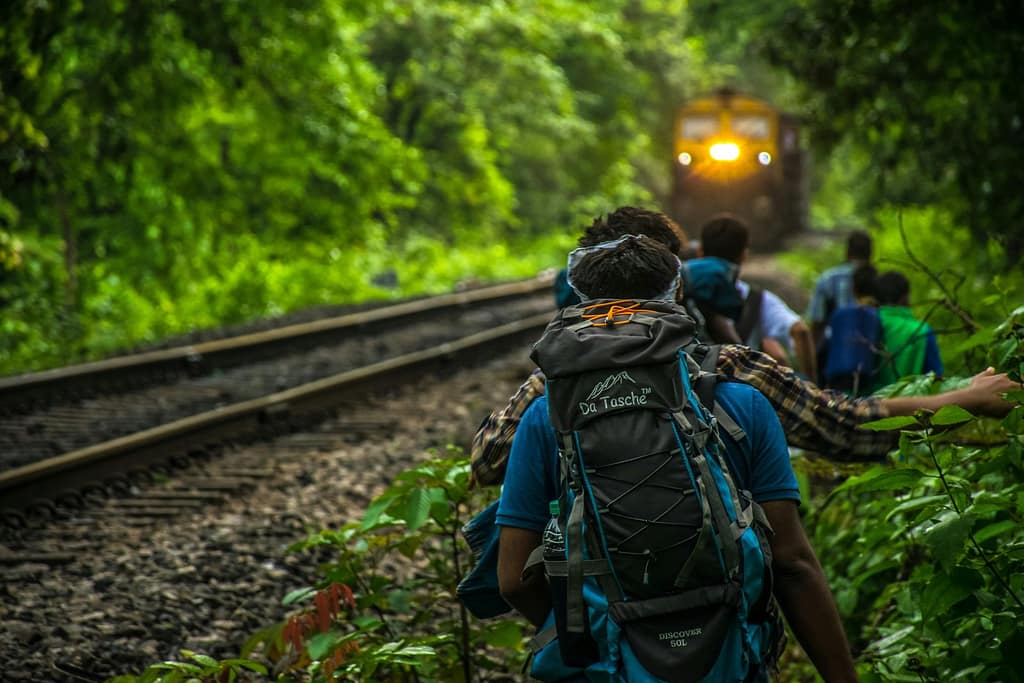
When the train finally reaches Araku town, the station is bustling and loud, and the enchantment of the slow train through Eastern Ghats seems to fade. But by the next morning, Araku reveals its charm. A short walk leads to misty forests and scenic coffee plantations dotted with tall silver oak trees wrapped in pepper vines. The thick fog and crisp air are a refreshing contrast to Vizag’s humidity. The breeze carries the scent of sap, coffee, and spice.
Coffee was first introduced to Araku during British rule, planted in scattered patches across the valley. Like other coffee-producing regions in India, Araku’s unique mix of soil, elevation, and climate made it ideal. After India’s independence in 1947, the land was taken over by the government, but years of neglect and unrest left the area off most development plans. That began shifting in the early 2000s.
“The local community wanted growth,” says Manoj Kumar, CEO of the Naandi Foundation, a non-profit that partners with farmers to promote sustainability. “We saw coffee already growing here, so we thought—why not scale it?”
Naandi worked with farmers to create small plots of Arabica coffee using regenerative farming practices. What started with just 1,000 acres in 2002 has now expanded to 100,000 acres, cultivated by over 90,000 families—each farming about an acre. Alongside coffee, they now grow pepper, kidney beans, ginger, turmeric, millets, rice, and fruits like mango, chikoo, custard apple, and avocado. This approach gave rise to Arakunomics, a fair-trade farming model that won the Rockefeller Foundation’s Food System Vision 2050 Prize in 2020.
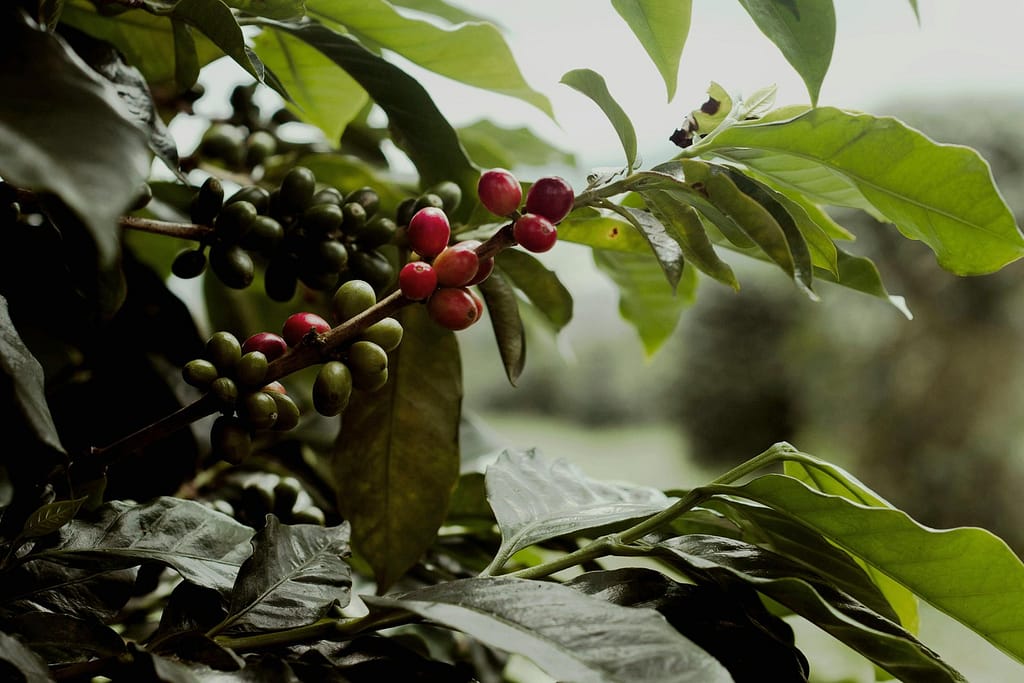
But the foundation didn’t stop with farming alone. In a pioneering move for Indian coffee, they “terroir-mapped” the beans—an idea borrowed from winemaking—and grouped them into six unique flavour profiles under the ARAKU brand. With selective picking, eco-friendly methods, and careful post-harvest steps, the beans consistently achieve a 91/100 on specialty coffee scales.
More like this:
• How the bullet train transformed Japan
• Malaysia’s iconic ‘Jungle Railway’
• The Baltic Express: Central Europe’s new hop-on hop-off train
“We produce around 2,000 metric tons of coffee, and 98% is taken up by specialty coffee curators worldwide,” Kumar explains.
Travellers can explore this journey firsthand at several plantations, but Priya Rajagopal, a former tech project manager and coffee lover, suggests the Sunkarametta Coffee Plantation, located about 13km southeast of Araku. A wooden walkway here stretches for a few hundred metres above the coffee bushes, bordered by tall silver oaks. “When I visited during the flowering season (March to May), the bushes were covered in white blossoms,” she recalls. “The air smelled like sweet jasmine.”
Not far from there, the Araku Coffee Museum offers a small but informative look into the story of coffee—from seed to sip. A cosy café next to it serves a bold filter coffee—earthy and deep, perfect for a cool morning in the hills.
Days after my ride on the slow train through Eastern Ghats, back in Bengaluru, I stop by the only ARAKU café in India. Tucked into Indiranagar’s leafy lanes, it mostly offers beans exported, sold in select stores, or online. Unsure of what to pick, I go for their signature medium roast. The coffee, a warm red-brown, is smooth and mellow. A faint peppery finish instantly brings back memories—of misty Araku mornings, green hills, and the quiet rhythm of the train through Eastern Ghats that brought me there.

